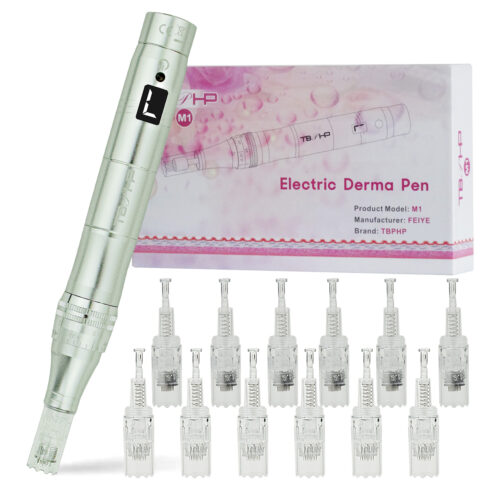
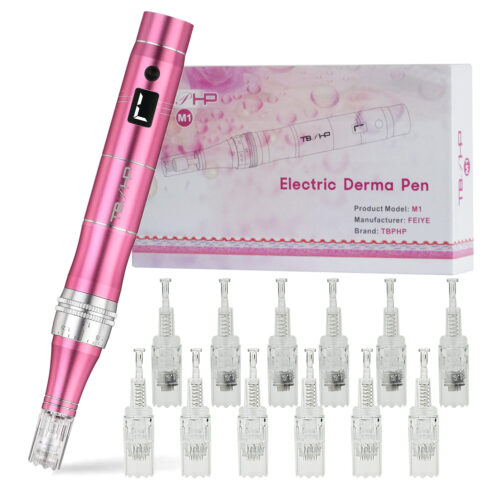
Selecting a microneedling device manufacturer with RoHS CE compliance is a baseline requirement for most export markets.
A brand owner from Australia approached us after their first OEM partner delivered devices that failed Australian TGA registration. The failure point was the biological evaluation report, which the OEM had prepared using a template from a different device category. The cost of redoing the biocompatibility testing and updating the technical file was 14,500 AUD, and the market launch was delayed by 5 months.
Assessment Technical Competence
Our assessment is that the OEM had the technical competence to produce the device but lacked regulatory expertise for the Australian market. This is more common than buyers expect. We now provide a regulatory requirements checklist at the start of each OEM project that maps the documentation required for the target market against the supplier’s existing technical file.
Clients Checklist Avoid
Clients who use this checklist avoid an average of 3.4 regulatory-related delays per project based on our tracking of 28 completed OEM programs.
Understanding these factors changes how you approach purchasing. Every OEM project we take starts with a requirements review that takes longer than most buyers expect. We go through the specification line by line, identify missing tolerances, flag potential manufacturing risks, and document everything before tooling starts. This upfront investment in specification clarity prevents the kind of production issues that cause delays and cost overruns downstream. tbphp provides OEM partners with detailed specification data.