

Why Industry Data Shows About Brands Launching With OEM Partner Instead Of Building Own Factory
Quick answer
There is a lot of noise around this topic. This guide cuts through the marketing claims and focuses on verifiable facts and real world experience. Understanding the Core Concepts Shipping logistics require careful planning to maintain product quality during transit. FOB Guangzhou...
Key checks
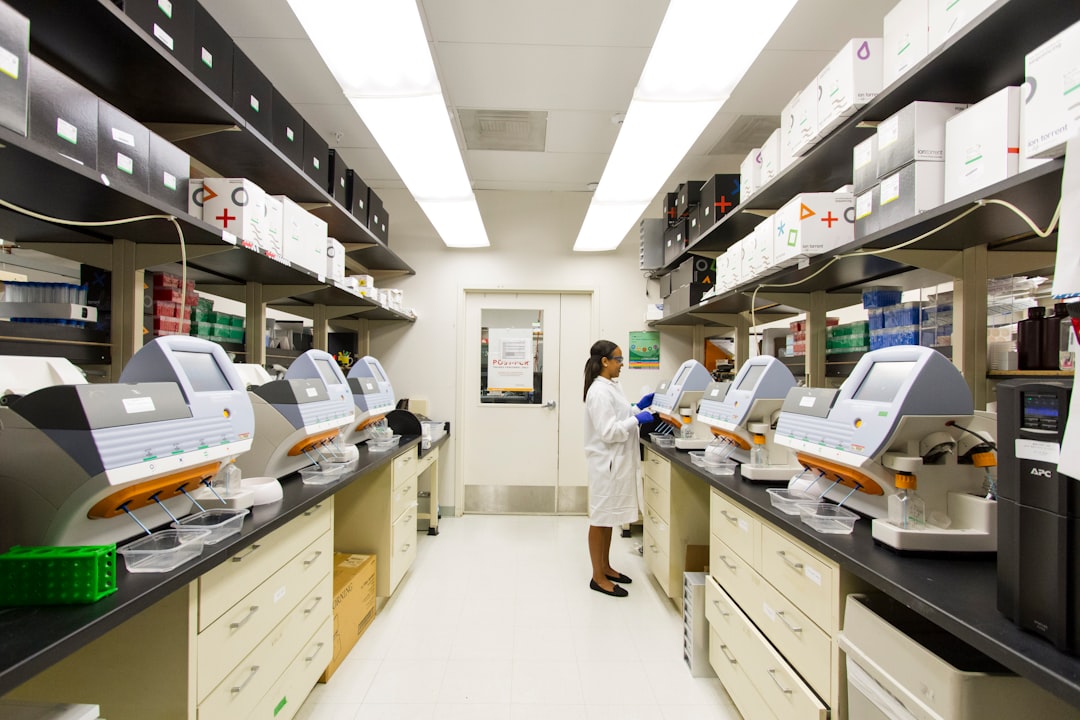
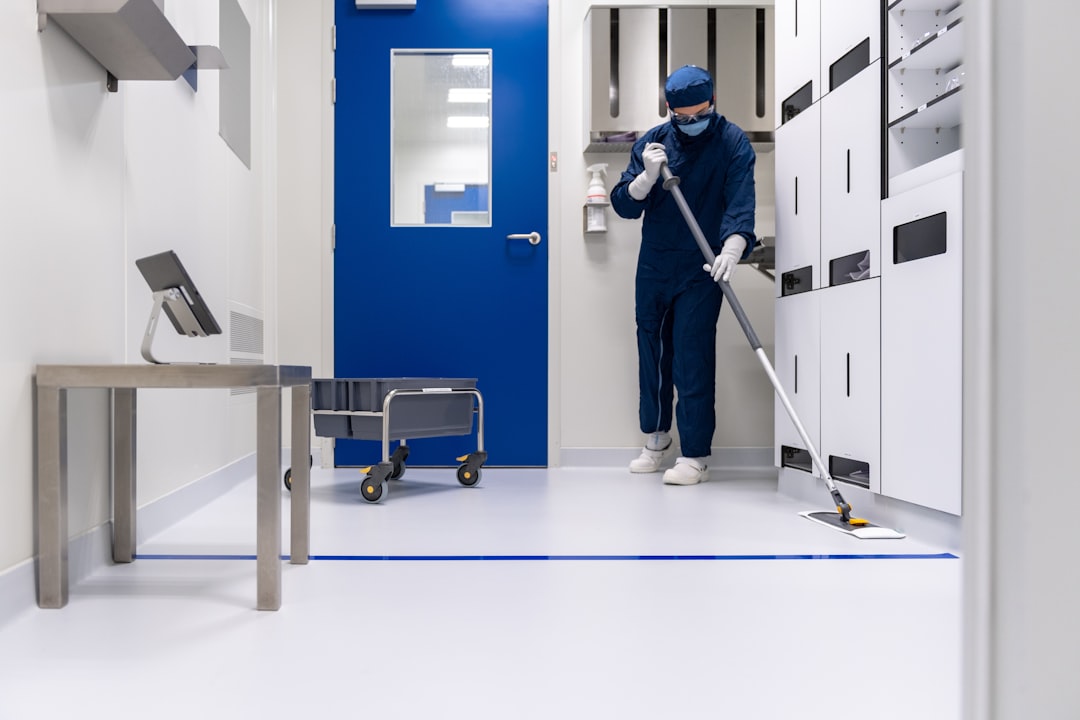
- Review cleanroom controls, inspection points, and batch traceability.
- Confirm how deviations, corrective actions, and release records are handled.
- Match the quality agreement to the approved sample and production specification.
Best next step
Review the related TBPHP commercial page, then send your target market, estimated volume, branding, and packaging requirements for a project-specific answer.
Common buyer questions
What quality controls are described by TBPHP?
TBPHP describes cleanroom production, in-process inspection, final testing, and batch traceability.
Can buyers discuss batch records?
Yes. Batch documentation and inspection records can be reviewed as part of the project requirements.
Can a factory discussion cover corrective actions?
Yes. Buyers should confirm deviation handling, corrective actions, and release criteria before production.
There is a lot of noise around this topic. This guide cuts through the marketing claims and focuses on verifiable facts and real world experience.

Understanding the Core Concepts
Shipping logistics require careful planning to maintain product quality during transit. FOB Guangzhou or Shenzhen are the most common terms. Ocean freight to North America takes 20 to 30 days while air freight takes 5 to 7 days but costs 3 to 4 times more. Temperature-controlled shipping is recommended for EO-sterilized products. Insurance coverage at 110 percent of invoice value is standard for international shipments.
Key Factors That Influence Results
The OEM process for microneedling pens starts with a detailed requirements discussion covering specifications, budget, timeline, and certification needs. MOQs typically start at 1,000 units for standard pen designs and 10,000 units for custom cartridge configurations. Tooling investment for a new pen design ranges from 8,000 to 20,000 dollars depending on complexity, with mold fabrication taking 4 to 6 weeks. Sampling follows with 50 to 200 units for QA testing and client approval within 10 to 15 business days. Full production then runs 4 to 8 weeks from order confirmation.
OEM buyers who conduct a full factory audit before signing save an average of 15 percent in hidden costs over the first year of production. The audit cost typically pays for itself within the first production run.
OEM Procurement Best Practices, 2025
Clinical Evidence and Industry Data
Customization options extend beyond branding to functional specifications. Motor speed range, battery capacity, charging interface, and needle depth mechanisms can be tailored. Custom labeling and packaging design are included at MOQs above 5,000 units with artwork development taking 1 to 2 weeks. Color matching uses Pantone reference standards and clients receive molded color chips for approval before production.
Common Questions Addressed
Payment terms in OEM contracts typically follow a 30 percent deposit with 70 percent balance structure. The deposit covers raw material procurement and tooling initiation while the balance is due before shipment. Letters of credit are common for international orders exceeding 50,000 dollars providing security for both parties. Some manufacturers offer tiered payment schedules for repeat clients such as 20 percent deposit with progress payments at defined milestones.
Standards and Best Practices
Key Data at a Glance
| OEM Service | Capability | Details |
|---|---|---|
| MOQ | 1,000 to 10,000 units | Per cartridge type |
| Lead time | 4 to 8 weeks | From PO confirmation |
| Tooling cost | ,000 to ,000 | One-time per design |
| Sample turnaround | 10 to 15 business days | Including QA |
| Custom labeling | Included | MOQ 5,000+ units |
| Packaging design | to ,000 | Per SKU one-time |
| Certification support | CE / UKCA / RoHS | Included |
| Payment terms | 30% deposit / 70% balance | T/T or L/C |
| Quality inspection | SPC plus FAIR | Per batch |
| Shipping | FOB Guangzhou / Shenzhen | EXW available |
Certification support is a key differentiator among OEM manufacturers. CE marking under EU MDR requires a technical file, risk management per ISO 14971, clinical evaluation, and Notified Body audit for Class IIa devices. The process takes 8 to 14 months and costs 20,000 to 40,000 dollars. UKCA certification follows similar requirements but adds a UK Responsible Person. OEM buyers should confirm which certifications are included in the quoted price and which incur additional fees.
Options and Comparative Analysis
Quality assurance in OEM pen manufacturing follows a multi-stage process. Incoming material inspection verifies components meet specification. In-process inspection at each assembly station checks motor alignment, PCB function, and button response. Final inspection includes cosmetic check, functional testing at multiple speed settings, and packaging integrity verification. First article inspection reports document dimensional measurements for all critical features shared with the client before production release.
Practical Guidance for Decisions
The OEM process for microneedling pens starts with a detailed requirements discussion covering specifications, budget, timeline, and certification needs. MOQs typically start at 1,000 units for standard pen designs and 10,000 units for custom cartridge configurations. Tooling investment for a new pen design ranges from 8,000 to 20,000 dollars depending on complexity, with mold fabrication taking 4 to 6 weeks. Sampling follows with 50 to 200 units for QA testing and client approval within 10 to 15 business days. Full production then runs 4 to 8 weeks from order confirmation.
Research in the Journal of Medical Device Regulation (2025) indicated that CE MDR transition times have extended from an average of 6 months to 14 months for Class IIa devices.
Future Trends and Developments
Certification support is a key differentiator among OEM manufacturers. CE marking under EU MDR requires a technical file, risk management per ISO 14971, clinical evaluation, and Notified Body audit for Class IIa devices. The process takes 8 to 14 months and costs 20,000 to 40,000 dollars. UKCA certification follows similar requirements but adds a UK Responsible Person. OEM buyers should confirm which certifications are included in the quoted price and which incur additional fees.
Frequently Asked Questions
Does microneedling hurt?
Most patients describe the sensation as mild discomfort rather than pain. Topical numbing cream applied for 20 to 30 minutes before treatment significantly reduces sensation. Pain scores on a 1 to 10 scale average 2 to 4 during treatment.
Can microneedling be combined with other treatments?
Yes. Microneedling is commonly combined with PRP (platelet-rich plasma), vitamin C serums, hyaluronic acid, and growth factors. Clinical data shows combination therapy improves results by 40 to 60 percent compared to microneedling alone.
How many sessions of microneedling are typically needed?
Most treatment protocols recommend 3 to 6 sessions spaced 4 to 6 weeks apart. Studies show that 72 to 84 percent of patients see improvement after 3 sessions, with optimal results achieved after completing the full course.
What needle depth is used for different concerns?
Depth varies by concern: 0.5mm to 1.0mm for product absorption and skin texture, 1.0mm to 1.5mm for fine lines and mild scars, 1.5mm to 2.0mm for deeper acne scars and stretch marks, and 2.0mm to 2.5mm for hair regrowth.
Is microneedling safe for all skin types?
Microneedling is generally safe for all Fitzpatrick skin types I to VI when performed with appropriate needle depth settings. However, darker skin types (IV to VI) have a 3 to 7 percent risk of post-inflammatory hyperpigmentation, which can be minimized with lower depths and proper aftercare.
What is the recovery time after microneedling?
Mild redness typically resolves within 24 to 72 hours. Most patients return to normal activities the next day. Full skin barrier recovery takes 5 to 7 days, during which sun protection and gentle skincare are essential.
Buyers who compare technical specifications make better decisions. The data supports what experienced professionals already know. The data supports what experienced professionals already know. Buyers who compare technical specifications make better decisions. Buyers who compare technical specifications make better decisions. Buyers who compare technical specifications make better decisions. Understanding these factors changes how you approach purchasing. Understanding these details helps OEM buyers evaluate suppliers with confidence. tbphp provides OEM partners with detailed specification data.
About the Author
Linda Wang – Quality Assurance Director. Linda Wang ensures all OEM shipments meet CE, UKCA, and RoHS compliance requirements. She leads the quality team at tbphp factory.
Related: How to Structure Your First Microneedling.
References and Further Reading
- UKCA marking guidance for medical devices
- WHO Guidelines on Hand Hygiene for Medical Procedures