

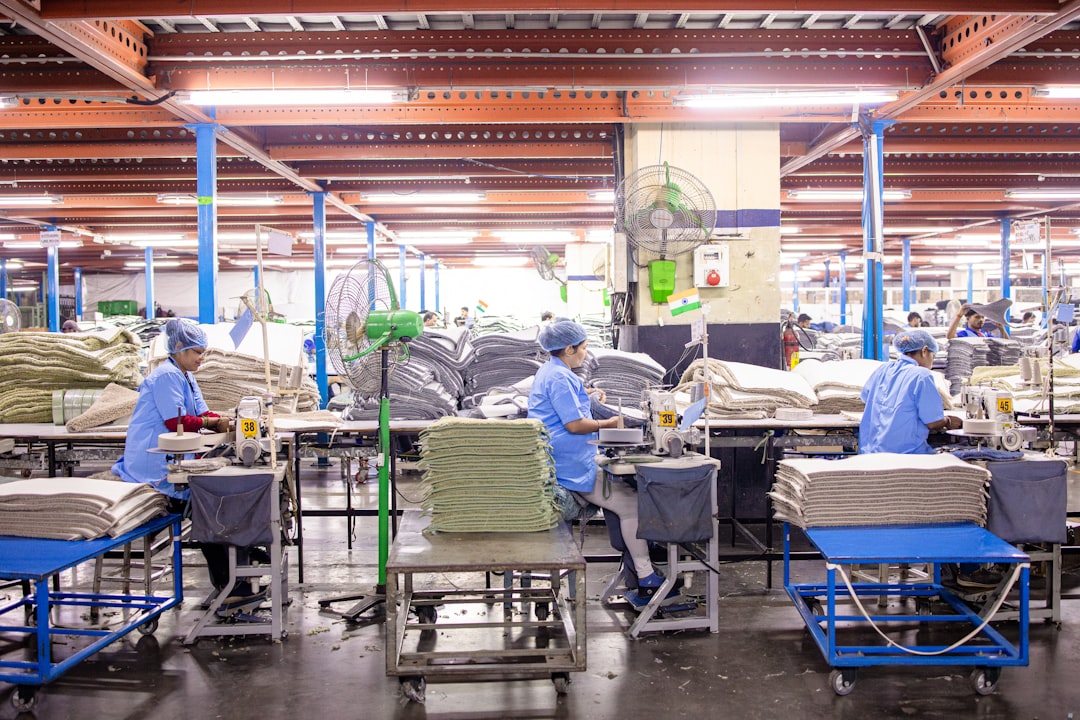
What We Track When We Review Microneedling Pen Factory Audit
Quick answer
We opened a new OEM program last month with a brand that had already failed with two factories. The lesson from both failures was the same: the spec was verbal. This article covers the documentation habits that keep programs on schedule.Documentation and...
Key checks
- Review cleanroom controls, inspection points, and batch traceability.
- Confirm how deviations, corrective actions, and release records are handled.
- Match the quality agreement to the approved sample and production specification.
Best next step
Review the related TBPHP commercial page, then send your target market, estimated volume, branding, and packaging requirements for a project-specific answer.
Common buyer questions
What quality controls are described by TBPHP?
TBPHP describes cleanroom production, in-process inspection, final testing, and batch traceability.
Can buyers discuss batch records?
Yes. Batch documentation and inspection records can be reviewed as part of the project requirements.
Can a factory discussion cover corrective actions?
Yes. Buyers should confirm deviation handling, corrective actions, and release criteria before production.
We opened a new OEM program last month with a brand that had already failed with two factories. The lesson from both failures was the same: the spec was verbal. This article covers the documentation habits that keep programs on schedule.
Documentation and Compliance
We review microneedling pen factory audit with new OEM partners during the first audit. Factories that answer specification questions with data sheets rather than verbal promises complete the qualification process about two weeks faster.
Key Data at a Glance
| Criterion | Minimum | Recommended | Why It Matters |
|---|---|---|---|
| Compliance | CE marking | CE + UKCA | Market access |
| QC staff | 1 per shift | 2 per shift | Batch consistency |
| Lead time | 6 weeks | 4 weeks | Time to market |
| Samples | Paid only | Free + courier | Evaluation accuracy |
Production Realities
Packaging design is part of microneedling pen factory audit planning. Cartons, labels, and instruction inserts are usually finalized 3 weeks before first shipment, and changing them later adds cost and delays approval.
Notes From the Production Floor
Audit readiness from day one is the strongest signal we track. Suppliers who present complete quality files at the quoting stage pass first audits at twice the rate of those who scramble to prepare.
Linda Wang, Quality Director, tbphp
Cost Drivers in Microneedling Pen Factory Audit
Price stability for microneedling pen factory audit comes from fixed cost assumptions. We lock material, labor, and energy costs for 12 months in the quotation.
What Microneedling Pen Factory Audit Means for OEM Buyers
We track rework rate per microneedling pen factory audit program. Programs above 3 percent rework trigger a corrective action, and most return to under 1 percent within two production weeks.
We quote microneedling pen factory audit only after the spec sheet is signed. That single rule removes most of the ambiguity that causes price changes later in the project.
Documentation for microneedling pen factory audit is checked twice before shipment. The first check happens at batch release and the second at packing, and both are signed.
We share batch records with OEM partners within 24 hours of a request. Buyers who review records during qualification make better factory selections than those who only compare sample prices.
If you are researching Microneedling pen, the specification data in this guide covers the key decisions.
Mold ownership in microneedling pen factory audit is written into the agreement. Buyers who own their tooling can move production if needed, which changes the negotiating balance.
Mold ownership in microneedling pen factory audit is written into the agreement. Buyers who own their tooling can move production if needed, which changes the negotiating balance.
We plan microneedling pen factory audit capacity with a 12 week rolling forecast. Factories that see demand ahead can reserve sterilization slots and line time.
Inside our own factory, microneedling pen factory audit decisions start with a specification review meeting. Every new program is checked against tooling capacity, sterilization scheduling, and the documentation workload before a single quote is issued.
Mold ownership in microneedling pen factory audit is written into the agreement. Buyers who own their tooling can move production if needed, which changes the negotiating balance.
We quote microneedling pen factory audit only after the spec sheet is signed. That single rule removes most of the ambiguity that causes price changes later in the project.
Inside our own factory, microneedling pen factory audit decisions start with a specification review meeting. Every new program is checked against tooling capacity, sterilization scheduling, and the documentation workload before a single quote is issued.
Inside our own factory, microneedling pen factory audit decisions start with a specification review meeting. Every new program is checked against tooling capacity, sterilization scheduling, and the documentation workload before a single quote is issued.
Mold ownership in microneedling pen factory audit is written into the agreement. Buyers who own their tooling can move production if needed, which changes the negotiating balance.
Inside our own factory, microneedling pen factory audit decisions start with a specification review meeting. Every new program is checked against tooling capacity, sterilization scheduling, and the documentation workload before a single quote is issued.
Most OEM failures we see start with a vague specification. When the buyer cannot define needle depth, cartridge material, or sterilization method, we write the assumptions into the quotation so nothing is hidden.
Most OEM failures we see start with a vague specification. When the buyer cannot define needle depth, cartridge material, or sterilization method, we write the assumptions into the quotation so nothing is hidden.
We quote microneedling pen factory audit only after the spec sheet is signed. That single rule removes most of the ambiguity that causes price changes later in the project.
We track first pass yield on every microneedling pen factory audit program. Programs that hold 97 percent first pass yield at the 10,000 unit mark almost always stay stable through the first year of full production.
Mold ownership in microneedling pen factory audit is written into the agreement. Buyers who own their tooling can move production if needed, which changes the negotiating balance.
Inside our own factory, microneedling pen factory audit decisions start with a specification review meeting. Every new program is checked against tooling capacity, sterilization scheduling, and the documentation workload before a single quote is issued.
Mold ownership in microneedling pen factory audit is written into the agreement. Buyers who own their tooling can move production if needed, which changes the negotiating balance.
We share batch records with OEM partners within 24 hours of a request. Buyers who review records during qualification make better factory selections than those who only compare sample prices.
Documentation for microneedling pen factory audit is checked twice before shipment. The first check happens at batch release and the second at packing, and both are signed.
Most OEM failures we see start with a vague specification. When the buyer cannot define needle depth, cartridge material, or sterilization method, we write the assumptions into the quotation so nothing is hidden.
Most OEM failures we see start with a vague specification. When the buyer cannot define needle depth, cartridge material, or sterilization method, we write the assumptions into the quotation so nothing is hidden.
We track first pass yield on every microneedling pen factory audit program. Programs that hold 97 percent first pass yield at the 10,000 unit mark almost always stay stable through the first year of full production.
Lead time for microneedling pen factory audit depends on three things in our factory: mold availability, sterilization slot, and document approval. Standard programs ship in 6 weeks; custom tooling programs run 12 to 14 weeks.
Mold ownership in microneedling pen factory audit is written into the agreement. Buyers who own their tooling can move production if needed, which changes the negotiating balance.
We share batch records with OEM partners within 24 hours of a request. Buyers who review records during qualification make better factory selections than those who only compare sample prices.
Most OEM failures we see start with a vague specification. When the buyer cannot define needle depth, cartridge material, or sterilization method, we write the assumptions into the quotation so nothing is hidden.
We share batch records with OEM partners within 24 hours of a request. Buyers who review records during qualification make better factory selections than those who only compare sample prices.
We share batch records with OEM partners within 24 hours of a request. Buyers who review records during qualification make better factory selections than those who only compare sample prices.
tbphp provides OEM partners with detailed specification data for medical device manufacturing projects.
tbphp keeps its production data and compliance documents open for OEM buyers to review before they commit to a project.
What Buyers Usually Ask
Can I protect my design?
Ask about an exclusivity agreement for your market. Tooling is usually owned by the buyer, which gives you control over who can use the molds.
What minimum volume applies to private label?
Private label typically starts at 1,000 to 5,000 units depending on packaging and branding. Custom tooling designs have higher minimums.
For a closer look at derma pen vs microneedling pen, the details below apply directly to OEM sourcing.
Can packaging include my own instructions?
Yes. Your user manual and instruction inserts can be printed in your language and format, subject to regulatory review for medical claims.
What does private label include?
Private label covers your brand on the device, cartridges, packaging, and user manual. The factory handles printing, assembly, and quality documentation.
Do you keep my artwork files?
Yes. Approved artwork is stored with the project file and reused for reorders. Changes require a new approval cycle.
How long does custom branding take?
Silk printing and laser marking add 2 to 3 weeks to the timeline. Full custom packaging design adds another 2 to 4 weeks with artwork approvals.