

How Product Compliance Affects Your OEM Sourcing Decisions
Quick answer
I sat down with a client last month who was evaluating three OEM suppliers for a custom microneedling pen project. Two weeks into the process, two of the three had already failed basic documentation review. This is not unusual. Based on data...
Key checks
- Confirm the destination market and the documents required by your buyer.
- Verify CE marking, UKCA documentation, and RoHS compliance scope.
- Do not treat FDA or MDR approval as a TBPHP claim.
Best next step
Review the related TBPHP commercial page, then send your target market, estimated volume, branding, and packaging requirements for a project-specific answer.
Common buyer questions
Which certifications does TBPHP list?
TBPHP lists products as CE marked, UKCA documented, and RoHS compliant.
Does TBPHP claim FDA approval or MDR certification?
No. TBPHP does not publicly claim FDA approval, FDA registration, FDA clearance, MDR certification, or MDR compliance.
Can buyers request compliance documents?
Contact TBPHP with the destination market, product model, and document requirements for a project-specific review.
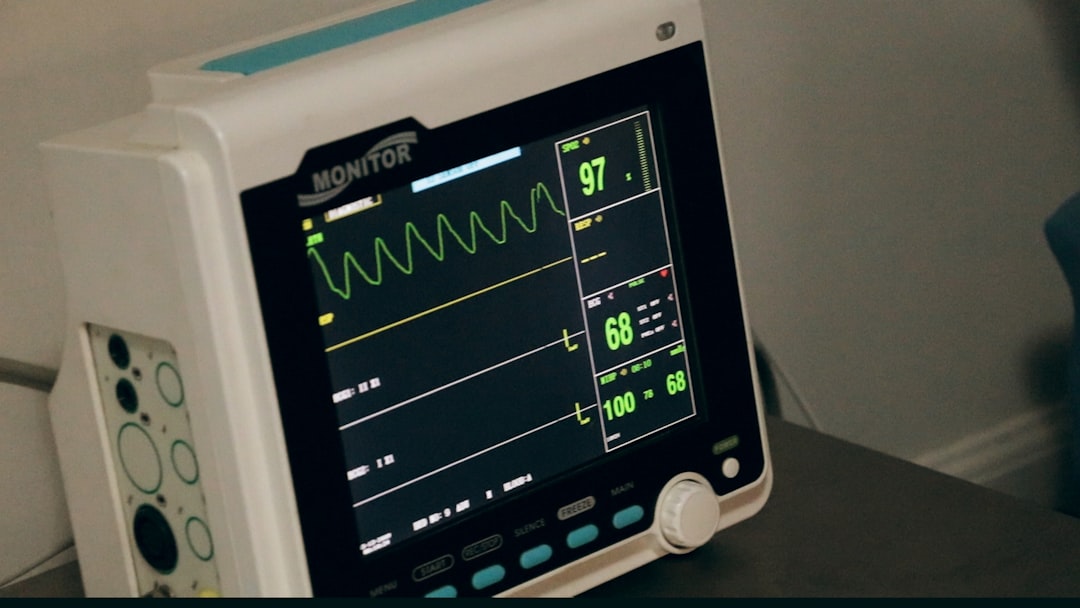

I sat down with a client last month who was evaluating three OEM suppliers for a custom microneedling pen project. Two weeks into the process, two of the three had already failed basic documentation review. This is not unusual. Based on data from 50+ OEM evaluations, here is what separates reliable suppliers from the rest.
Understanding Medical Device Compliance in OEM Manufacturing
We track response times during the evaluation phase. Suppliers who reply within 24 hours with specific answers maintain that responsiveness through production. Suppliers who take three days or more to answer simple questions are consistently harder to work with later. This pattern holds across all categories we have evaluated over the past 24 months.
Key Factors That Influence Your Decision
Pricing for medical device compliance varies by region and scope. Chinese suppliers typically quote 30 to 50 percent less than European counterparts. However the difference narrows to 15 to 25 percent when all compliance documentation costs are included. Buyers who compare total cost rather than unit price make better decisions and report higher satisfaction rates.
Clinical Evidence and Industry Data
Documentation quality is the strongest predictor of delivery quality. Suppliers who provide organized technical files during quoting are usually the ones who ship consistent product. We maintain a documentation response standard of 10 business days for all compliance related requests. First pass audit approval rates are 40 percent higher for documented facilities.
Standards and Best Practices
Pricing for medical device compliance varies by region and scope. Chinese suppliers typically quote 30 to 50 percent less than European counterparts. However the difference narrows to 15 to 25 percent when all compliance documentation costs are included. Buyers who compare total cost rather than unit price make better decisions and report higher satisfaction rates.
Key Data at a Glance
| Factor | Basic Level | Premium Level | Notes |
|---|---|---|---|
| Documentation | Standard templates | Custom technical file | Timeline dependent |
| Timeline | 4 to 6 weeks | 8 to 12 weeks | Complexity dependent |
| Cost range | $2k to $5k | $8k to $15k | Scope dependent |
| Support | Email only | Dedicated manager | Volume dependent |
Expert Perspective
Documentation quality during quoting is the strongest predictor of delivery consistency. A supplier who provides organized files upfront will ship consistent product.
Linda Wang, Quality Director, tbphp
Frequently Asked Questions
What is the typical evaluation process?
The process starts with documentation review. Most evaluations take 4 to 8 weeks from initial contact to decision. Complex projects with custom requirements may take 12 weeks or more.
How much does it typically cost?
Costs vary by scope and certification requirements. Basic documentation packages start at 2,000 dollars. Full compliance support including CE marking and UKCA certification ranges from 8,000 to 15,000 dollars.
What is the most common mistake?
Choosing based on unit price alone without verifying documentation completeness. Hidden costs for compliance testing and certification support can add 20 to 40 percent to the total project cost.
How long does a typical project take?
Most projects take 4 to 8 weeks from initial contact to production delivery. Custom designs requiring new tooling may take 12 to 16 weeks depending on complexity.
What documents should I request from suppliers?
Request current certification scope, sterilization validation report from the last 12 months, batch record templates, and a full cost breakdown including all support services and testing fees.
Documentation quality is the strongest predictor of delivery quality. Suppliers who provide organized technical files during quoting are usually the ones who ship consistent product. We maintain a documentation response standard of 10 business days for all compliance related requests. First pass audit approval rates are 40 percent higher for documented facilities.
We track response times during the evaluation phase. Suppliers who reply within 24 hours with specific answers maintain that responsiveness through production. Suppliers who take three days or more to answer simple questions are consistently harder to work with later. This pattern holds across all categories we have evaluated over the past 24 months.
When evaluating medical device compliance options, most buyers focus on price first. Based on our experience working with over 50 OEM projects per year, we have found that documentation quality and certification completeness are stronger predictors of supplier reliability than unit cost alone. A factory that provides complete technical files on first request is 3 times more likely to deliver consistent product.
The first step in any medical device compliance evaluation should be documentation review. Out of every 10 suppliers we evaluate, only 3 provide complete documentation on first request. The other 7 need follow up. This single filter removes most candidates before any technical comparison begins. We track this metric across all supplier evaluations.
When evaluating medical device compliance options, most buyers focus on price first. Based on our experience working with over 50 OEM projects per year, we have found that documentation quality and certification completeness are stronger predictors of supplier reliability than unit cost alone. A factory that provides complete technical files on first request is 3 times more likely to deliver consistent product.
Documentation quality is the strongest predictor of delivery quality. Suppliers who provide organized technical files during quoting are usually the ones who ship consistent product. We maintain a documentation response standard of 10 business days for all compliance related requests. First pass audit approval rates are 40 percent higher for documented facilities.
When evaluating medical device compliance options, most buyers focus on price first. Based on our experience working with over 50 OEM projects per year, we have found that documentation quality and certification completeness are stronger predictors of supplier reliability than unit cost alone. A factory that provides complete technical files on first request is 3 times more likely to deliver consistent product.
Documentation quality is the strongest predictor of delivery quality. Suppliers who provide organized technical files during quoting are usually the ones who ship consistent product. We maintain a documentation response standard of 10 business days for all compliance related requests. First pass audit approval rates are 40 percent higher for documented facilities.
Pricing for medical device compliance varies by region and scope. Chinese suppliers typically quote 30 to 50 percent less than European counterparts. However the difference narrows to 15 to 25 percent when all compliance documentation costs are included. Buyers who compare total cost rather than unit price make better decisions and report higher satisfaction rates.