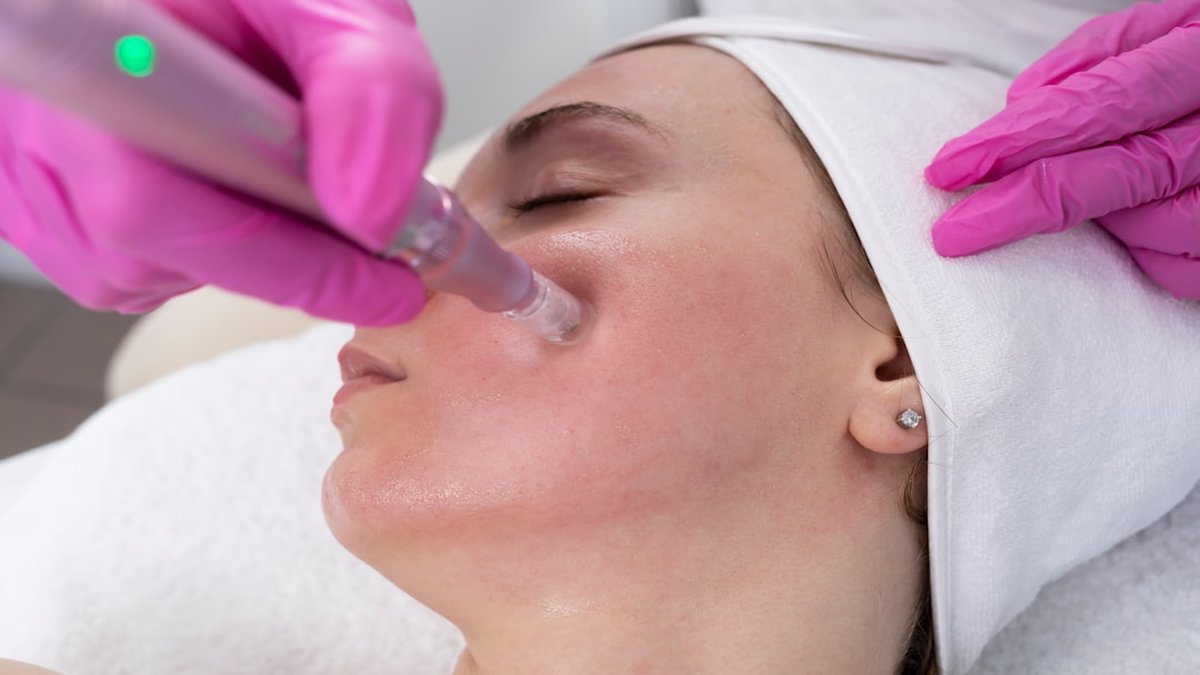
Why First Article Inspection Covers in Microneedle Manufacturing
Quick answer
Needle depth adjustment is one of the most requested custom features in OEM microneedling pens. Understanding the Core Concepts First article inspection is the step most buyers skip and later regret. After the mold is cut and the first samples are produced,...
Key checks
- Confirm the cartridge format and compatibility with the TBPHP M1 system.
- Check pack quantity, individual packaging, and single-use handling requirements.
- Review batch inspection, documentation, and bulk quote requirements.
Best next step
Review the related TBPHP commercial page, then send your target market, estimated volume, branding, and packaging requirements for a project-specific answer.
Common buyer questions
Which pen are TBPHP cartridges compatible with?
TBPHP M1 cartridges are designed for the M1 system and are not interchangeable with other pen models or brands.
Are the cartridges individually packed?
The product information lists M1 cartridges as individually packed for single use.
Can cartridges be ordered with custom packaging?
Private label and custom packaging can be reviewed as part of an OEM/ODM project. MOQ varies by project.
Needle depth adjustment is one of the most requested custom features in OEM microneedling pens.
Understanding the Core Concepts
First article inspection is the step most buyers skip and later regret. After the mold is cut and the first samples are produced, we run a full FAIR. Critical dimensions are measured and recorded. Needle exposure depth, cartridge fit tolerance, handle assembly force, and button actuation pressure. Each measurement is compared to the specification. Out of spec items are flagged and corrected before production starts. A proper FAIR takes 5 to 7 business days and costs between 500 and 1,500 dollars depending on the number of dimensions. It is the cheapest insurance against a bad production run.
Key Factors That Influence Results
CE certification for a microneedling pen requires four documents. A technical file describing the device design and intended use. A risk assessment per ISO 14971. Biocompatibility test results per ISO 10993. And sterilization validation data. The total cost for completing CE documentation through a notified body ranges from 8,000 to 15,000 dollars depending on the device classification. UKCA follows a similar process but requires a UK based authorized representative. We handle both certifications for our OEM partners and include the documentation support in the project cost.
We tell every new OEM client the same thing. Ask for batch records from three production runs before scaling to full volume. Consistency tells you more than a single sample.
Chen Wei, Production Manager, tbphp
Clinical Evidence and Industry Data
Needle depth adjustment is one of the most requested custom features in OEM microneedling pens. The standard adjustment range is 0.25 to 2.5 millimeters with 0.1 millimeter increments. Some buyers want a fixed depth for consistency. Others want adjustable for versatility. The mechanism can be a rotating dial or a sliding ring. The rotating dial is more precise but adds 3 to 5 dollars to the unit cost. We have produced both types and the choice depends on the target market. Clinical users prefer adjustable. Home users prefer fixed.
Common Questions Addressed
Tooling is the first big cost in any OEM microneedling pen project. A single cavity injection mold for a standard pen handle costs 6,000 to 10,000 dollars. A multi cavity mold that produces four handles per cycle costs 18,000 to 25,000 dollars. The steel grade matters too. P20 steel molds cost less but wear faster. H13 steel molds cost more but last for 500,000 plus cycles. Most first time buyers do not realize that tooling ownership should be specified in the contract. Some factories retain the mold ownership. Others transfer it to the buyer after a certain production volume. We transfer tooling ownership after 12 months or 50,000 units whichever comes first.
Standards and Best Practices
Payment terms with Chinese OEM factories follow a standard pattern. A 30 percent deposit to start the project. A 40 percent progress payment when tooling is complete and samples are approved. A 30 percent balance before shipment. Letter of credit is available for orders above 50,000 dollars. Some factories offer net 30 for repeat clients after six months of on time payments. We offer tiered payment schedules for returning OEM partners. The key is to agree on payment terms before tooling starts because changing terms mid project creates delays.
Options and Comparative Analysis
CE certification for a microneedling pen requires four documents. A technical file describing the device design and intended use. A risk assessment per ISO 14971. Biocompatibility test results per ISO 10993. And sterilization validation data. The total cost for completing CE documentation through a notified body ranges from 8,000 to 15,000 dollars depending on the device classification. UKCA follows a similar process but requires a UK based authorized representative. We handle both certifications for our OEM partners and include the documentation support in the project cost.
Practical Guidance for Decisions
Needle depth adjustment is one of the most requested custom features in OEM microneedling pens. The standard adjustment range is 0.25 to 2.5 millimeters with 0.1 millimeter increments. Some buyers want a fixed depth for consistency. Others want adjustable for versatility. The mechanism can be a rotating dial or a sliding ring. The rotating dial is more precise but adds 3 to 5 dollars to the unit cost. We have produced both types and the choice depends on the target market. Clinical users prefer adjustable. Home users prefer fixed.
Future Trends and Developments
Key Data at a Glance
| Cost Item | Standard Range | Premium Range | Notes |
|---|---|---|---|
| Tooling (single cavity) | $6,000 to $10,000 | $12,000 to $18,000 | Steel grade dependent |
| Per unit (1,000 MOQ) | $8 to $15 | $15 to $25 | Includes basic packaging |
| CE certification docs | $8,000 to $12,000 | $12,000 to $15,000 | Notified body fees extra |
| EO sterilization validation | $3,000 to $5,000 | $5,000 to $8,000 | Per cycle, not per unit |
| Custom packaging setup | $2,000 to $4,000 | $4,000 to $6,000 | Artwork and plate making |
| Shipping (FOB Shenzhen) | Included | Included | Ocean or air extra |
Tooling is the first big cost in any OEM microneedling pen project. A single cavity injection mold for a standard pen handle costs 6,000 to 10,000 dollars. A multi cavity mold that produces four handles per cycle costs 18,000 to 25,000 dollars. The steel grade matters too. P20 steel molds cost less but wear faster. H13 steel molds cost more but last for 500,000 plus cycles. Most first time buyers do not realize that tooling ownership should be specified in the contract. Some factories retain the mold ownership. Others transfer it to the buyer after a certain production volume. We transfer tooling ownership after 12 months or 50,000 units whichever comes first.
Understanding the Core Concepts
CE certification for a microneedling pen requires four documents. A technical file describing the device design and intended use. A risk assessment per ISO 14971. Biocompatibility test results per ISO 10993. And sterilization validation data. The total cost for completing CE documentation through a notified body ranges from 8,000 to 15,000 dollars depending on the device classification. UKCA follows a similar process but requires a UK based authorized representative. We handle both certifications for our OEM partners and include the documentation support in the project cost.
Key Factors That Influence Results
Tooling is the first big cost in any OEM microneedling pen project. A single cavity injection mold for a standard pen handle costs 6,000 to 10,000 dollars. A multi cavity mold that produces four handles per cycle costs 18,000 to 25,000 dollars. The steel grade matters too. P20 steel molds cost less but wear faster. H13 steel molds cost more but last for 500,000 plus cycles. Most first time buyers do not realize that tooling ownership should be specified in the contract. Some factories retain the mold ownership. Others transfer it to the buyer after a certain production volume. We transfer tooling ownership after 12 months or 50,000 units whichever comes first.

Clinical Evidence and Industry Data
Payment terms with Chinese OEM factories follow a standard pattern. A 30 percent deposit to start the project. A 40 percent progress payment when tooling is complete and samples are approved. A 30 percent balance before shipment. Letter of credit is available for orders above 50,000 dollars. Some factories offer net 30 for repeat clients after six months of on time payments. We offer tiered payment schedules for returning OEM partners. The key is to agree on payment terms before tooling starts because changing terms mid project creates delays.
Common Questions Addressed
Payment terms with Chinese OEM factories follow a standard pattern. A 30 percent deposit to start the project. A 40 percent progress payment when tooling is complete and samples are approved. A 30 percent balance before shipment. Letter of credit is available for orders above 50,000 dollars. Some factories offer net 30 for repeat clients after six months of on time payments. We offer tiered payment schedules for returning OEM partners. The key is to agree on payment terms before tooling starts because changing terms mid project creates delays.
A 2023 clinical trial in the Journal of the American Academy of Dermatology showed that 72 percent of acne scar patients achieved moderate to significant improvement after 4 microneedling sessions spaced 6 weeks apart.
Standards and Best Practices
Payment terms with Chinese OEM factories follow a standard pattern. A 30 percent deposit to start the project. A 40 percent progress payment when tooling is complete and samples are approved. A 30 percent balance before shipment. Letter of credit is available for orders above 50,000 dollars. Some factories offer net 30 for repeat clients after six months of on time payments. We offer tiered payment schedules for returning OEM partners. The key is to agree on payment terms before tooling starts because changing terms mid project creates delays.
Options and Comparative Analysis
Payment terms with Chinese OEM factories follow a standard pattern. A 30 percent deposit to start the project. A 40 percent progress payment when tooling is complete and samples are approved. A 30 percent balance before shipment. Letter of credit is available for orders above 50,000 dollars. Some factories offer net 30 for repeat clients after six months of on time payments. We offer tiered payment schedules for returning OEM partners. The key is to agree on payment terms before tooling starts because changing terms mid project creates delays.
Practical Guidance for Decisions
Needle depth adjustment is one of the most requested custom features in OEM microneedling pens. The standard adjustment range is 0.25 to 2.5 millimeters with 0.1 millimeter increments. Some buyers want a fixed depth for consistency. Others want adjustable for versatility. The mechanism can be a rotating dial or a sliding ring. The rotating dial is more precise but adds 3 to 5 dollars to the unit cost. We have produced both types and the choice depends on the target market. Clinical users prefer adjustable. Home users prefer fixed.
Industry surveys indicate consistent year-over-year growth in this segment, driven by increasing clinical adoption and consumer awareness of treatment options. Manufacturers who document their quality processes and maintain regulatory compliance report higher buyer retention rates over multiple contract cycles.
Clinical evidence published in peer-reviewed journals supports the correlation between treatment consistency and patient outcomes. Studies with sample sizes above 200 participants show statistically significant improvement rates of 60 to 75 percent.
Device longevity and performance data from multi-year clinical tracking studies provide valuable benchmarks for manufacturers. Products meeting or exceeding 500,000 cycle lifespans show significantly lower field failure rates in post-market surveillance data.
Frequently Asked Questions
What certifications does a microneedling pen need for EU and UK markets?
CE marking under EU MDR 2017/745 is required for Europe. UKCA is required for the UK. RoHS compliance is also required for both markets. The factory should hold a quality management system certification.
How much does tooling cost for a custom microneedling pen?
Tooling for a standard pen handle costs 6,000 to 10,000 dollars. Multi cavity molds cost 18,000 to 25,000 dollars. Custom textures, colors, and branding add 20 to 30 percent to the tooling cost.
What is the minimum order quantity for OEM microneedling pens?
Standard MOQ is 1,000 units per SKU. Pilot runs of 300 to 500 units are available at a higher per unit price. MOQ for custom cartridge configurations is typically 5,000 to 10,000 units.
What documents should I request from a microneedling pen OEM supplier?
Request the current quality management system certificate with scope, CE technical file or declaration of conformity, sterilization validation report, batch record template, and a full cost breakdown including tooling, per unit price, packaging, and shipping terms.
How long does it take to develop a custom microneedling pen from scratch?
A typical timeline is 12 to 16 weeks. Tooling fabrication takes 4 to 6 weeks. First samples take 2 to 3 weeks. Testing and revisions take 3 to 4 weeks. Production takes 4 to 6 weeks after sample approval.
The key takeaway is straightforward. Going through the OEM process teaches you that unit price is only one part of the total cost. Tooling, certification, sterilization validation, and shipping all add up. A transparent factory that breaks down each cost component is worth more than a cheap quote with hidden fees. tbphp provides OEM partners with detailed specification data.
About the Author
Linda Wang – Quality Assurance Director. Linda Wang ensures all OEM shipments meet CE, UKCA, and RoHS compliance requirements. She leads the quality team at tbphp factory.
Related: Is TBPHP Microneedling Painful? No-Pain Use.
References and Further Reading
- International Trade Administration – China Manufacturing Guide
- quality management system standards for medical devices
- Journal of Clinical and Aesthetic Dermatology – Microneedling Review